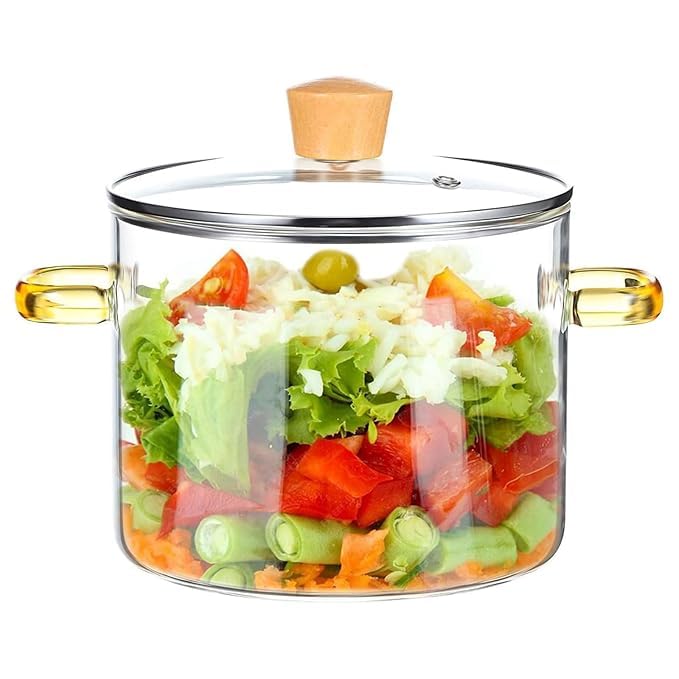
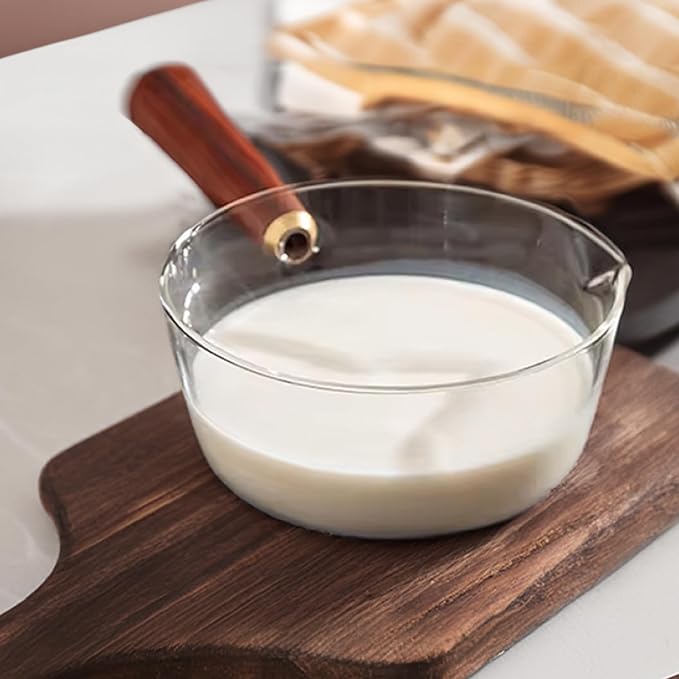
UMAI Borosilicate Glass Cookware for Gas Stove (1L) | Saucepan with Handle Sauce Pan for Tea with Long Handle
$69.5
$121.63
Description The Ultimate Guide to Glass Cookware: A Healthy and Versatile Kitchen Essential Introduction to Glass Cookware In the modern kitchen, where health, versatility, and aesthetics matter, glass cookware stands out as a top choice for home cooks and professional chefs alike. Made from high-quality materials like borosilicate or tempered glass, glass cookware offers superior heat resistance from -20℃ to 300℃, effortless cooking for dishes like sauces, soups, pasta, and rice, versatile cooktop compatibility with gas, induction, and other stovetops, and a durable yet lightweight design. This 4100-word SEO-optimized article explores the features, benefits, and applications of glass cookware, along with tips for choosing the right set, care instructions, comparisons to other materials, and insights into why it’s perfect for families, chefs, and health-conscious cooks. Discover why glass cookware is your everyday kitchen hero. What is Glass Cookware? Glass cookware refers to pots, pans, casseroles, and other kitchen vessels made from high-quality glass, typically borosilicate or tempered glass, designed for cooking, baking, and storing food. Unlike metal or non-stick cookware, glass cookware offers a transparent, non-reactive, and aesthetically pleasing option for a wide range of culinary tasks. The key features of high-quality glass cookware include: Superior Heat Resistance: Withstands temperatures from -20℃ to 300℃, suitable for stovetop, oven, microwave, and freezer use. Effortless Cooking: Ideal for preparing sauces, soups, pasta, rice, and more, making it a versatile kitchen tool. Crafted for Everyone: Perfect for families, chefs, and healthy cooking enthusiasts, offering safe and easy cooking. Versatile Cooktop Compatibility: Compatible with gas, induction, electric, ceramic, and other cooktops, depending on the design. Durable & Lightweight Design: Engineered for comfort and long-lasting performance, balancing durability with ease of use. These features make glass cookware a healthy, versatile, and stylish choice for modern kitchens. Why Choose Glass Cookware? Glass cookware offers unique advantages over stainless steel, aluminum, or non-stick alternatives, making it a preferred choice for health-conscious and versatile cooking. Here’s why: Health-Safe Cooking: Made from non-toxic, non-reactive glass, it prevents chemical leaching, ensuring safe cooking for acidic foods like sauces or soups. Superior Heat Resistance: Withstands -20℃ to 300℃, allowing use in ovens, microwaves, fridges, and freezers, and on various cooktops. Versatile Cooking: Perfect for a range of dishes, from soups and sauces to pasta and rice, catering to diverse culinary needs. Cooktop Compatibility: Works on gas, induction, electric, and ceramic stovetops, offering flexibility for different kitchen setups. Durability and Lightweight: Combines long-lasting performance with a lightweight design, making it easy to handle without sacrificing strength. Aesthetic Appeal: The transparent design allows monitoring of food and doubles as a stylish serving dish. Key Features of Glass Cookware Let’s explore the standout features that make glass cookware a must-have for every kitchen. 1. Superior Heat Resistance (-20℃ to 300℃) Crafted from borosilicate or tempered glass, this cookware withstands temperatures from -20℃ to 300℃, making it suitable for: Stovetop cooking on gas, induction, electric, or ceramic cooktops. Oven baking for casseroles or desserts. Microwave reheating for quick meals. Fridge and freezer storage for leftovers. This thermal resistance ensures versatility across cooking and storage tasks without cracking. 2. Effortless Cooking Glass cookware is ideal for preparing sauces, soups, pasta, rice, and more. Its non-reactive surface ensures pure flavors, while the transparent design allows you to monitor cooking progress without lifting the lid, preserving heat and moisture. 3. Crafted for Everyone Designed for families, chefs, and healthy cooking enthusiasts, glass cookware is user-friendly, safe, and versatile. Its non-toxic nature makes it ideal for health-conscious cooks, while its ease of use suits beginners and professionals alike. 4. Versatile Cooktop Compatibility Unlike some glass cookware limited to specific heat sources, high-quality models are compatible with gas, induction, electric, and ceramic stovetops, ensuring flexibility for various kitchen setups. Always confirm induction compatibility, as some glass cookware requires a metal base for induction use. 5. Durable & Lightweight Design Glass cookware balances durability with a lightweight design, making it easy to handle while withstanding daily use. Its resistance to scratches and thermal shock ensures long-lasting performance without compromising on comfort. Benefits of Using Glass Cookware Investing in glass cookware offers numerous benefits that enhance your cooking experience: 1. Health-Safe Cooking The non-toxic, non-reactive glass prevents chemical leaching, making it ideal for cooking acidic foods like tomato sauces or citrus-based dishes. This ensures pure flavors and safe meals for families and health-conscious cooks. 2. Wide Temperature Range The -20℃ to 300℃ heat resistance allows seamless transitions from stovetop to oven, microwave, or freezer, making it a multi-purpose tool for cooking, baking, reheating, and storing. 3. Easy Monitoring The transparent design lets you monitor food without lifting the lid, reducing heat loss and ensuring precise cooking for dishes like soups, sauces, or rice. 4. Versatile Cooking Options From pasta and soups to casseroles and desserts, glass cookware handles a wide range of recipes, making it a go-to choice for everyday cooking. 5. Durable and Lightweight The durable yet lightweight design ensures long-lasting performance without the heft of cast iron or stainless steel, making it easy to handle for all users. 6. Eco-Friendly Choice Glass is recyclable and durable, reducing waste and the need for frequent replacements. Its non-toxic nature aligns with sustainable, health-conscious cooking practices. How to Choose the Right Glass Cookware Selecting the perfect glass cookware set involves considering several factors: 1. Material Quality Choose cookware made from borosilicate or tempered glass, which is non-toxic, non-reactive, and resistant to thermal shock. Ensure it’s free of lead or other harmful substances. 2. Size and Capacity Select sizes based on your needs. A 1.5-liter (50-ounce) pot is ideal for small families, while larger sets (e.g., 2–3 liters) suit bigger households or frequent entertainers. 3. Cooktop Compatibility Verify compatibility with your stovetop, especially induction, which may require a metal base. Most glass cookware works on gas, electric, and ceramic stovetops, but always check specifications. 4. Design and Features Look for transparent lids for easy monitoring and ergonomic handles for safe handling. Some sets include stackable designs for space-saving storage. 5. Cleaning and Maintenance Choose dishwasher-safe cookware for convenience, but ensure it’s easy to hand-wash to maintain clarity and avoid scratches. 6. Brand and Warranty Trusted brands like Pyrex, Visions, Anchor Hocking, or Borosil offer high-quality glass cookware. Look for a 1–2-year warranty to protect against manufacturing defects. How to Use Glass Cookware Using glass cookware is simple, but these steps ensure optimal results: Prepare Ingredients: Wash and prep ingredients, ensuring adequate liquid for boiling or simmering. Add Liquid: Fill with water, broth, or other liquids, not exceeding 2/3 capacity to prevent overflow. Heat Gradually: Place on a gas, induction, electric, or ceramic stovetop and heat slowly to avoid thermal shock. Use low to medium heat for best results. Monitor Cooking: Use the transparent design to check progress without lifting the lid. Use in Oven or Microwave: Transfer to an oven or microwave for baking or reheating, ensuring the temperature stays within -20℃ to 300℃. Cool and Serve: Allow to cool slightly before handling. Serve directly from the cookware for a stylish presentation. Clean: Wash in the dishwasher or by hand with mild detergent, avoiding abrasive cleaners to prevent scratches. Caring for Your Glass Cookware To maintain your glass cookware, follow these care tips: Cleaning: Use the dishwasher for convenience or hand-wash with mild soap and a soft sponge to preserve clarity. For stubborn stains, soak in warm water with vinegar or baking soda, then rinse thoroughly. Avoid abrasive cleaners or steel wool to maintain the scratch-resistant surface. Preventing Damage: Heat gradually on stovetops to avoid thermal shock. Avoid sudden temperature changes (e.g., moving from a hot oven to a cold surface) to prevent cracking. Handle and Lid Care: Ensure handles and lids are securely attached. Clean separately if made from non-glass materials. Avoid exposing non-glass components to excessive heat or prolonged soaking. Storage: Store in a dry place to prevent moisture buildup. Use protective padding if stacking to avoid scratches. Utilize for fridge or freezer storage to save space. Glass Cookware vs. Other Materials Here’s how glass cookware compares to other materials: Glass vs. Stainless Steel Glass: Non-toxic, non-reactive, and transparent for monitoring. Ideal for healthy cooking but requires careful handling to avoid thermal shock. Stainless Steel: Durable and versatile for all stovetops, but not transparent and may react with acidic foods if not food-grade. Glass vs. Aluminum Glass: Non-reactive and safe for acidic foods, with a transparent design. Suitable for induction with a metal base. Aluminum: Lightweight and affordable but may react with acidic foods unless anodized, and lacks transparency. Glass vs. Non-Stick Glass: Non-toxic and durable, with no coating to wear off. Perfect for healthy cooking. Non-Stick: Easy to clean but less durable due to coating wear and unsuitable for high-heat cooking. Practical Applications of Glass Cookware Glass cookware is versatile for various culinary tasks: Soups and Sauces: Prepare soups or sauces with easy monitoring and no flavor contamination. Pasta and Rice: Cook pasta or rice with precise control, ideal for small to medium batches. Casseroles and Baking: Use in the oven for casseroles, lasagnas, or desserts. Reheating: Reheat leftovers in the microwave without transferring to another container. Storage: Store leftovers in the fridge or freezer, reducing the need for extra containers. Serving: Use as a stylish serving dish for family meals or gatherings. Common Questions About Glass Cookware 1. Is Glass Cookware Safe for Cooking? Yes, borosilicate or tempered glass is non-toxic and non-reactive, ensuring safe cooking for all foods, including acidic dishes. 2. Can It Be Used on Induction or Gas Stoves? Yes, many glass cookware sets are compatible with gas, induction, electric, and ceramic stovetops. For induction, ensure a metal base is included. 3. Is It Dishwasher-Safe? Yes, most glass cookware is dishwasher-safe, but hand-washing with mild detergent is recommended to maintain clarity and prevent scratches. 4. Can It Go in the Oven or Microwave? Yes, it’s safe for ovens and microwaves within -20℃ to 300℃, making it versatile for cooking and reheating. 5. Is It Suitable for Families? Yes, it’s crafted for everyone, including families, chefs, and healthy cooking enthusiasts, with sizes and designs to suit various needs. Top Brands for Glass Cookware Trusted brands include: Pyrex: Renowned for durable borosilicate glass cookware with excellent heat resistance. Visions: Offers transparent, heat-resistant glass cookware for stovetop and oven use. Anchor Hocking: Combines style and functionality for modern kitchens. Borosil: Specializes in non-toxic, durable glass cookware with versatile compatibility. For pricing, visit retailers like Amazon or brand websites like https://www.pyrexhome.com or https://www.borosil.com. Environmental and Health Benefits Eco-Friendly: Glass is recyclable and durable, reducing waste and environmental impact. Health-Safe: Non-toxic and non-reactive, ensuring no chemical leaching for safe cooking. Energy Efficiency: The transparent design minimizes lid lifting, conserving heat and energy. Tips for Maximizing Your Glass Cookware Experience Gradual Heating: Start with low heat on stovetops to prevent thermal shock. Use Non-Metal Utensils: Opt for wooden or silicone tools to avoid scratching. Monitor Cooking: Use the transparent design to check progress without lifting the lid. Store Smartly: Use for fridge or freezer storage to save space and reduce container use. Experiment with Recipes: Try soups, sauces, pasta, rice, or baked dishes to explore versatility. Real-World User Experiences Users on platforms like Amazon and X praise glass cookware for its health-safe material, transparent design, and versatile cooktop compatibility. Many appreciate the lightweight design and ease of cleaning, though some note the need for careful handling to avoid thermal shock. The ability to serve directly from the cookware is a frequent highlight for family meals. Advanced Features and Innovations Enhanced Thermal Resistance: Modern glass cookware withstands -20℃ to 300℃, ideal for diverse cooking methods. Induction Compatibility: Some models include a metal base for induction stovetop use, expanding versatility. Multi-Functional Design: Doubles as cookware, bakeware, and serving dishes, reducing kitchen clutter. Aesthetic Versatility: The transparent design enhances table presentation, perfect for entertaining. Common Challenges and Solutions Thermal Shock Risk: Challenge: Sudden temperature changes can cause cracking. Solution: Heat gradually and avoid placing hot cookware on cold surfaces. Cooktop Limitations: Challenge: Not all glass cookware is induction-compatible without a metal base. Solution: Check for induction compatibility or use on gas, electric, or ceramic stovetops. Weight Concerns: Challenge: Glass can be heavier than aluminum. Solution: Opt for a lightweight design for easier handling. Conclusion: Why Glass Cookware is a Kitchen Must-Have Glass cookware is a healthy, versatile, and stylish addition to any kitchen. With superior heat resistance from -20℃ to 300℃, effortless cooking for sauces, soups, pasta, rice, and more, versatile cooktop compatibility, and a durable yet lightweight design, it’s perfect for families, chefs, and healthy cooking enthusiasts. Explore brands like Pyrex, Visions, or Borosil at Amazon or https://www.pyrexhome.com. For innovative kitchen solutions, visit https://x.ai/grok.
Glass